Selling an inherited coin collection in Cincinnati
When a parent leaves coins, gold or old money behind, we go through every piece with the family and write it all down.
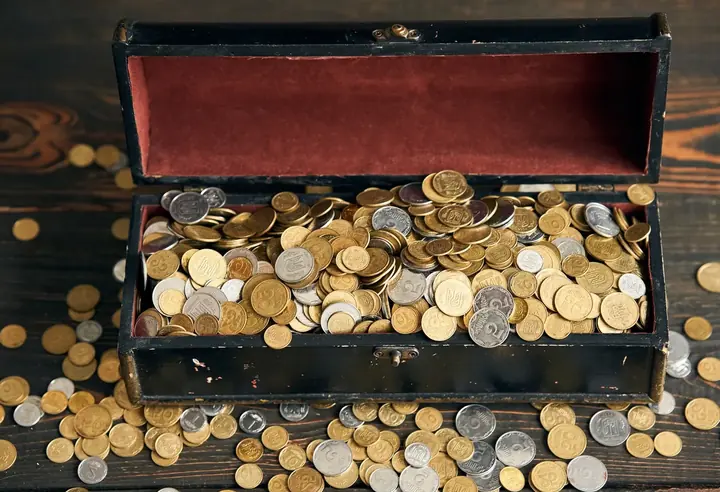
Estates in Greater Cincinnati
Cincinnati families tend to stay put, and so do their things. A house in Westwood or Fort Thomas that one family owned for fifty years can hold coins from three generations, tucked into places only one person knew about.
Call us before the estate sale company or the cleanout crew starts. Coins and old bills are easy to miss and easy to underprice in a sale, and a coffee can of dimes can be worth far more than face.
First steps for the family
There is no hurry to sell coins. They do not lose value sitting a few more weeks in a dry closet. When you are ready, gather everything into one place and leave coins in their albums, envelopes and holders.
Look in the usual places, then the unusual ones. Cincinnati houses often have a basement workbench, a cold cellar or a cedar closet where things were tucked away decades ago.
- Keep coins together and dry
- Leave coins in their holders
- Save receipts, lists and envelopes
- Agree on keepsakes before the appointment
Old paper money in estates
Paper money turns up in nearly every estate we see: silver certificates, red seal notes, large-size bills from before 1929 and notes printed for Cincinnati national banks. Notes with a local bank name can carry real collector value.
Please do not unfold, flatten or tape old notes. Bring them in the books, envelopes or wallets they were found in.
Working with executors
Estates often involve several people: siblings in different cities, an executor, sometimes an attorney. The written offer lists every item with a description, weight or grade and our price, so everyone sees the same numbers. We can send a copy to anyone you name.
When an auction makes more sense
Most estates sell well to a local buyer. A few hold coins or notes that belong at a major auction: rare dates in high grades or important paper money. If we see something like that, we say so plainly. We can still buy everything else, leaving the family just one item to handle.
Coins tied to family history
Cincinnati estates often hold coins with a story: a silver dollar from a grandfather's first paycheck, German coins carried over on the boat, a war souvenir from a father's service. The story does not change the metal price, but it matters to the family.
Before the appointment, ask relatives if any pieces have meaning to them. We leave those out of the offer, and the family can decide later.
Paying the estate
When an estate sells, we can pay the executor, the estate account or a family member, depending on what the paperwork requires. Smaller sales are paid in cash. Larger sales go by bank wire the same day, with a written record of every item for the estate's books.
What turns up in Cincinnati estates
- Coin albums and blue folders
- Jars and rolls of silver coins
- Silver dollars in drawers and bags
- Gold coins from basement safes
- German and European coins
- Proof sets bought every year
- Old paper money in books and Bibles
- Gold jewelry and sterling
How we price an estate
We work lot by lot. Gold and silver are weighed and priced on their metal. Collector coins and notes are graded and priced on current demand. Modern clad coins are counted at face value.
The written offer lists every item or group, so siblings and executors can review the same numbers. You can sell all of it, part of it or none of it.
Further reading: How coin buyers figure an offer
Common questions
- Can you send the offer to our attorney?
- Yes. We will email the itemized offer to the executor or the family's lawyer on request.
- Can we keep some coins?
- Yes. Tell us what the family wants to keep and we will price only the rest.
- How long does an estate appointment take?
- Most take one to two hours. Very large estates may need a second visit.